
The Truth About Returning to Sports Too Soon After Injury
Returning to sports can feel like the final test of recovery, especially when pain has improved, and you are eager to compete again.
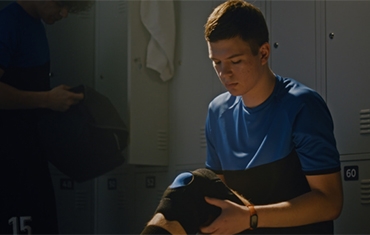
Returning to sports can feel like the final test of recovery, especially when pain has improved, and you are eager to compete again.

Knee pain that appears specifically on stairs can be easy to dismiss as normal wear and tear, but the pattern matters.
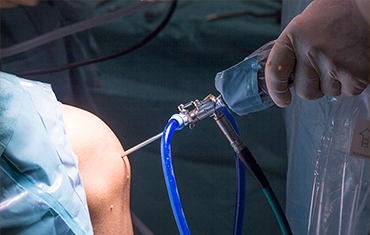
For Chicago athletes, hip pain can feel like a career-threatening mystery: groin discomfort with cutting, stiffness after sitting, catching deep in the joint, or lost power that stretching alone does not fix.
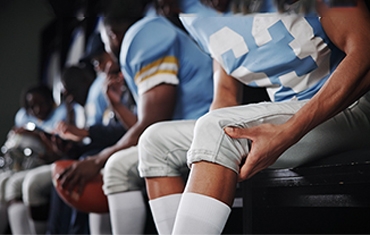
Choosing the right sports medicine doctor can shape how quickly you recover, how confidently you return to play, and how well you protect your joints for the seasons ahead.
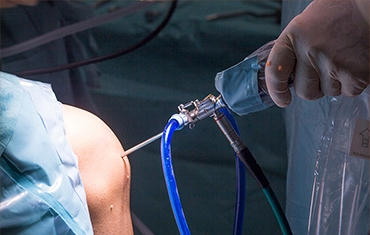
A sudden pivot, awkward landing, or repetitive overhead motion can turn a normal training session into a serious athletic setback. Injuries involving the shoulder, knee, hip, or other joints may cause pain, swelling, weakness, instability, or reduced performance.


