
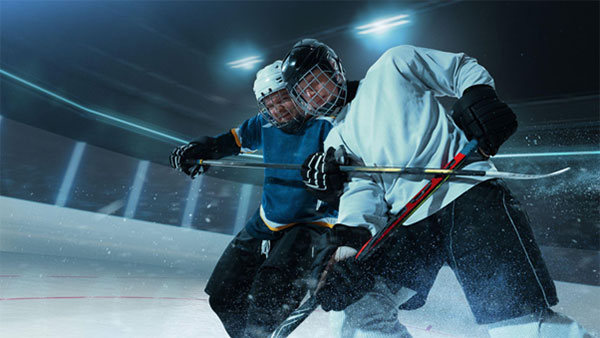
Hockey moves fast—and so do shoulder injuries. Hard hits, collisions with the boards, and awkward falls can put major force on the shoulder joint, making dislocations surprisingly common for players at every level. Here’s what to know about why they happen, the symptoms to watch for, and how athletes get back on the ice.
Why Shoulder Dislocations Happen in Ice Hockey
The shoulder is the most mobile joint in the body, which also makes it inherently vulnerable. In ice hockey, rapid changes in direction, forceful checks, and contact with other players often drive the arm into extreme positions. A shoulder dislocation occurs when the head of the humerus is forced out of its socket. Common causes include:
- High-speed collisions with players or the boards
- Falling onto an outstretched arm
- Sudden pulling or twisting of the shoulder
- Direct blows during checks, fights, or scrums
Because hockey demands both mobility and strength, once the shoulder becomes unstable, it becomes more susceptible to future dislocations.
Signs, Symptoms, and Immediate Management
A dislocated shoulder typically causes sudden pain, deformity, swelling, and an inability to move the arm. Players may feel the shoulder "pop out" or notice a visible shift in shoulder contour. Immediate steps include:
- Stopping play
- Supporting the arm in a comfortable position
- Applying ice
- Seeking urgent medical evaluation
A qualified provider must relocate the joint safely to prevent additional damage to ligaments, cartilage, and nerves.
Recovery Options for Ice Hockey Players
After reduction, recovery depends on the severity of the injury and whether the player has experienced previous dislocations. Modern care often includes:
Rehabilitation and Strengthening
Physical therapy focuses on restoring stability, strengthening the rotator cuff, and improving shoulder control. This helps reduce the risk of recurrence and prepares players for a safe return to the ice.
Minimally Invasive Arthroscopic Surgery
When instability persists or when the labrum and supporting ligaments are torn, arthroscopic shoulder stabilization may be recommended. This advanced surgical approach uses small incisions and a camera to repair damaged tissues, often offering faster recovery and improved long-term stability for athletes.
Gradual Return to Play
A structured progression ensures the shoulder can handle shooting, checking, and overhead motions before returning to full contact.
Frequent dislocations or lingering instability may require evaluation by a fellowship-trained orthopedic surgeon specializing in shoulder surgery. If shoulder weakness or instability is affecting your ability to play confidently, contact Dr. Van Thiel to discuss treatment options and book an appointment.
AUTHOR: Geoffrey Van Thiel, MD, is a board-certified orthopedic surgeon specializing in sports medicine treatments of the hip, knee, and shoulder, with a focus on compassionate, cutting-edge care. Dr. Van Thiel’s commitment to athletics and an active lifestyle is evident in both his personal belief that activity leads to better health and his involvement with the Chicago Blackhawks Medical Network, AHL Rockford IceHogs, and US National Soccer Teams.


