
For Chicago athletes, hip pain can feel like a career-threatening mystery: groin discomfort with cutting, stiffness after sitting, catching deep in the joint, or lost power that stretching alone does not fix. Hip preservation surgeons focus on protecting your native hip whenever possible—through careful diagnosis, rehabilitation, and, when indicated, minimally invasive procedures rather than joint replacement. Understanding how that decision is made can help you ask better questions and choose a plan that matches your sport and long-term joint health.
What Hip Preservation Means for Athletes
Hip preservation treats structural problems while keeping your natural hip joint. Instead of replacing the joint, surgeons aim to correct mechanical issues, restore the labrum, and address cartilage injury so the hip can function more smoothly under athletic load.
For many active patients, that pathway may include:
- Detailed evaluation of hip pain and movement patterns
- Targeted therapy and activity modification
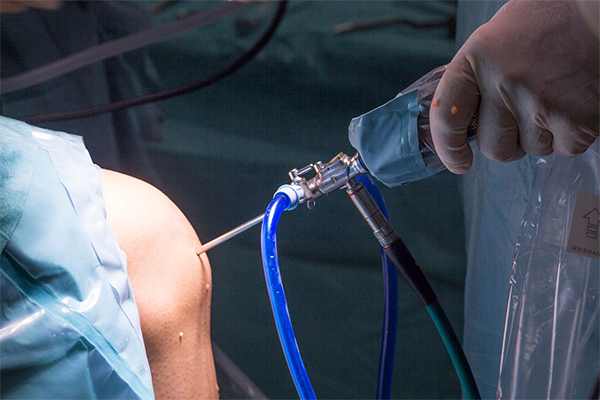
- Hip arthroscopy when structural problems persist
- Procedures such as hip labral repair,hip labral reconstruction, or hip cartilage restoration when indicated
How Surgeons Evaluate Athletic Hip Pain
The decision about surgery starts with diagnosis—not with a procedure. Evaluation typically includes your sport history, symptom pattern, physical exam, and imaging.
Your surgeon will often look for:
- Groin, lateral, or deep anterior hip pain during sport
- Clicking, catching, locking, or a sense of giving way
- Limited flexion or rotation
- Pain with prolonged sitting or after cutting and pivoting
- Symptoms that return whenever training resumes
Common athletic conditions include femoroacetabular impingement (FAI),hip labral tears, cartilage injury,snapping hip,bursitis,tendonitis, and hip flexor strain. Because these problems can look similar, matching symptoms to structure is essential before recommending surgery.
Conservative Care Comes First for Many Athletes
Hip preservation surgeons generally begin with nonoperative care when improvement without surgery is realistic. That may include activity modification, sport-specific load management, and structured physical therapy for the hip focused on strength, mobility, and movement quality.
Depending on the diagnosis, options may also include anti-inflammatory measures, guided injections, or selected orthobiologics strategies. Conservative care clarifies whether symptoms are driven mainly by irritation and muscle imbalance—or by structural conflict that keeps recreating the problem each time you return to sport.
If therapy restores function and you can train without progressive joint symptoms, surgery may not be necessary.
When FAI, Labral Tears, or Cartilage Problems Lead Toward Surgery
Surgery enters the conversation when symptoms and structural findings align and conservative care has not restored reliable function. Athletes may be considered for hip arthroscopy or related preservation procedures when:
- Imaging and exam confirm FAI mechanics that repeatedly injure soft tissue
- A labral tear continues to cause pain, catching, or instability symptoms
- Cartilage injury threatens joint surface health under athletic load
- Pain returns whenever sport-specific movements resume despite quality rehabilitation
- Mechanical symptoms limit performance or daily function
The surgical goal is typically to improve joint mechanics and repair or reconstruct damaged tissue while preserving the native hip—addressing bony impingement, labral injury, and, when appropriate,cartilage restoration.
Not every labral tear or FAI finding on MRI means you need an operation. The decision depends on how findings relate to your symptoms, therapy response, and athletic goals.
Athlete-Specific Factors That Influence the Decision
Two athletes with similar MRI reports can still receive different recommendations. Factors that often matter include:
- Your sport and position (cutting sports, hockey, soccer, dance, and running create different hip loads)
- Season timing and upcoming competitions
- Age and overall joint health
- Prior injuries or failed rehabilitation attempts
- Your ability to complete structured postoperative rehab
A competitive athlete with progressive groin pain, clear FAI morphology, and a labral tear that worsens with every match may need a different timeline than a recreational runner who improves with load management and therapy.
What Shared Decision-Making Looks Like
A strong surgical recommendation should never feel like a one-way announcement. You should understand what is wrong, what surgery can and cannot fix, what happens if you wait, and what recovery requires.
Expect a conversation that covers:
- Your diagnosis in plain language
- Why conservative care did or did not succeed
- The specific procedure being considered and alternatives
- Expected rehabilitation milestones using available rehabilitation protocols
- Risks, benefits, and the plan for return-to-sport clearance
Care through OrthoIllinois serves Rockford, Elgin, Crystal Lake, and the broader Chicago area, with sports medicine programs that support active lifestyles.
How to Prepare for a Hip Preservation Consultation
Bring imaging, prior therapy notes, a symptom timeline, and movements that reliably provoke pain. Review the first visit guide so you know what to expect.
Helpful questions include:
- Is my pain coming from the joint, soft tissue around the hip, or both?
- Do my imaging findings match my symptoms?
- What nonsurgical options remain?
- If surgery is recommended, is the goal repair, reconstruction, cartilage work, or correcting FAI?
- How long before I can return to practice and competition?
If you already have a surgical recommendation and want another perspective, a complimentary second opinion pathway is available through the practice contact page.
Frequently Asked Questions
What is hip preservation surgery?
Hip preservation surgery treats structural hip problems while keeping your natural joint. For athletes, that often means arthroscopic treatment of FAI, labral injury, or cartilage damage rather than hip replacement.
Do all athletes with FAI or a labral tear need surgery?
No. Many athletes improve with activity modification and physical therapy. Surgery is more often considered when symptoms persist, mechanical problems continue to irritate the joint, and imaging findings align with functional limitations.
How do surgeons decide between physical therapy and hip arthroscopy?
They combine your exam, imaging, sport demands, and response to conservative care. If rehabilitation restores stable function, nonoperative care may continue. If structural conflict keeps recreating symptoms, arthroscopy may be discussed.
How long is recovery after hip preservation surgery?
Timelines vary by procedure, tissue quality, and sport. Most athletes need months of progressive rehabilitation before unrestricted return. Clearance should follow strength, motion, and sport-specific readiness—not a calendar alone.
Can I get a second opinion before hip surgery in Chicago?
Yes. A second opinion can confirm the diagnosis, review whether surgery is necessary, and clarify alternatives. You can request an evaluation through the contact page or discuss scheduling via online appointment.
Talk With a Chicago Hip Preservation Specialist About Your Next Step
If hip pain is interrupting training, competition, or everyday movement, you do not have to guess whether surgery is inevitable. A focused evaluation can determine whether continued therapy, activity changes, or a hip preservation procedure is the better path. To request an evaluation, ask about a second opinion, or schedule an appointment, call (779) 774-1110 or visit the online appointment and contact pages.
AUTHOR: Geoffrey Van Thiel, MD, MBA – Orthopedic Sports Medicine Surgeon
Geoffrey Van Thiel, MD, MBA is an orthopedic surgeon specializing in minimally invasive and arthroscopic surgery of the hip, knee, and shoulder. Widely recognized as a leader in orthopedic sports medicine, he has authored more than 100 peer-reviewed publications and delivered over 200 international presentations. His practice combines cutting-edge surgical innovation with compassionate, patient-centered care focused on restoring active lifestyles.
Credentials & Education
Dr. Van Thiel earned his medical degree from the University of California, Los Angeles (UCLA) School of Medicine and completed a Master of Business Administration at the UCLA School of Business. He completed his orthopedic surgery residency at Rush University Medical Center in Chicago, one of the nation’s top training programs. He remained at Rush to complete fellowship training in orthopedic sports medicine and hip arthroscopy and continues to serve on faculty, contributing to research and surgeon education.
Clinical Expertise
Dr. Van Thiel has collaborated with internationally recognized surgeons on advancements in hip arthroscopy, cartilage restoration, knee ligament reconstruction, and shoulder arthroscopy. He serves as a consultant for leading orthopedic device companies and frequently lectures and trains surgeons on innovative techniques. He is actively involved with the Multicenter Arthroscopic Study of the Hip (MASH), serves on editorial boards for major orthopedic journals, is a surgeon educator for AANA and AOSSM, and chairs the Outcomes Committee for OrthoForum.
Dr. Van Thiel believes that exceptional orthopedic care requires not only advanced technology and precision but also compassion and humility in every patient interaction.
Medical Disclaimer: This information is for educational purposes only and does not constitute medical advice. For diagnosis and treatment recommendations, please consult with Dr. Van Thiel or another qualified orthopedic specialist.
Content authored by Dr. Geoffrey Van Thiel and verified against official sources.


