
A sudden pivot, awkward landing, or repetitive overhead motion can turn a normal training session into a serious athletic setback. Injuries involving the shoulder, knee, hip, or other joints may cause pain, swelling, weakness, instability, or reduced performance. Some improve with rehabilitation, while others involve structural damage that may require surgery. Understanding which sports injuries an arthroscopic surgeon in Chicago can treat is an important first step toward appropriate care.
What Is Arthroscopic Surgery?
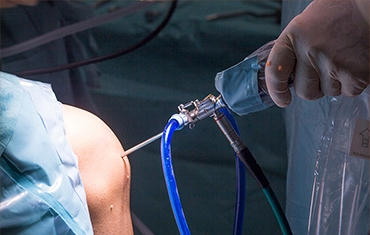
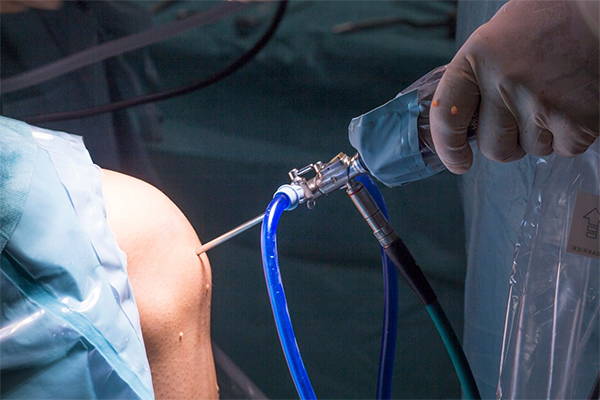
Arthroscopic surgery is a minimally invasive technique that allows an orthopedic surgeon to examine and treat a joint through small incisions. A small camera, called an arthroscope, provides a magnified view of the joint, while specialized instruments can be introduced through additional small openings.
Because arthroscopy can provide direct visualization of damaged structures without requiring a large incision, it is commonly used for certain sports injuries involving the shoulder, knee, hip, and other joints.
However, arthroscopy is not appropriate for every injury. The recommended approach depends on the location and severity of the damage, the patient's anatomy, previous injuries, activity level, and treatment goals.
What Sports Injuries Can an Arthroscopic Surgeon in Chicago Treat?
An arthroscopic surgeon may treat a variety of athletic injuries affecting joints and surrounding tissues. Common conditions include:
- Rotator cuff tears
- Labral tears
- Shoulder instability
- Shoulder impingement
- Meniscus tears
- Anterior cruciate ligament injuries
- Cartilage damage
- Joint inflammation
- Certain tendon injuries
- Sports-related joint trauma
The specific procedures available depend on the surgeon's specialty and the joint involved. A specialist who focuses on sports medicine and arthroscopic surgery may have particular experience treating athletes who want to maintain or regain an active lifestyle.
Can Arthroscopic Surgery Treat Rotator Cuff Tears?
Yes. Certain rotator cuff tears can be treated using arthroscopic techniques. The rotator cuff consists of muscles and tendons that help stabilize the shoulder and control arm movement.
Athletes who participate in throwing, swimming, tennis, weightlifting, and other overhead activities may place substantial repetitive stress on these structures.
A rotator cuff injury may cause pain, weakness, difficulty lifting the arm, or reduced athletic performance. Not every tear requires surgery. Physical therapy, activity modification, medication, and other nonsurgical treatments may be appropriate depending on the injury.
When a significant tear continues to cause symptoms or functional limitations despite conservative treatment, an orthopedic surgeon may consider arthroscopic rotator cuff repair.
What Shoulder Labral Injuries Can Be Treated Arthroscopically?
The labrum is a ring of cartilage that surrounds the shoulder socket and contributes to joint stability. Athletes can injure the labrum through repetitive throwing, weightlifting, falls, collisions, or other forces placed on the shoulder.
Symptoms may include pain, clicking, catching, weakness, or a sensation that the shoulder is unstable.
Arthroscopic surgery can be used for selected labral injuries, including procedures designed to repair damaged tissue or stabilize the shoulder. The appropriate treatment depends on the type and location of the tear and whether additional structures have been damaged.
Can an Arthroscopic Surgeon Treat Shoulder Instability?
Shoulder instability is particularly important for athletes who participate in contact sports or activities involving repetitive overhead motion. A dislocation can damage the labrum, ligaments, capsule, or other stabilizing structures, potentially increasing the risk of recurrent instability.
Some patients can improve through physical therapy focused on shoulder strength and neuromuscular control. When structural damage or repeated instability makes surgery appropriate, arthroscopic stabilization may be considered.
The goal is to restore stability while preserving as much normal shoulder function as possible.
What Knee Injuries Can Arthroscopic Surgery Treat?
The knee is another joint commonly affected by athletic injuries. Sudden changes in direction, twisting, jumping, direct contact, and repetitive loading can damage the meniscus, ligaments, cartilage, or other structures.
An arthroscopic surgeon may evaluate conditions such as:
- Meniscus tears
- Anterior cruciate ligament injuries
- Cartilage injuries
- Certain ligament injuries
- Joint inflammation
- Some sports-related knee injuries
Meniscus tears, for example, can cause pain, swelling, catching, or difficulty with certain movements. Depending on the tear's location, size, symptoms, and other factors, treatment may involve physical therapy or arthroscopic surgery.
Can ACL Injuries Be Treated With Arthroscopy?
Anterior cruciate ligament, or ACL, injuries are common in sports that involve pivoting, cutting, jumping, and sudden changes in direction. Soccer, basketball, football, skiing, and similar activities can place substantial stress on the ligament.
An ACL injury does not automatically mean surgery is required. Treatment decisions depend on factors including the severity of the injury, associated damage, activity level, and plans for returning to sports.
For athletes who are appropriate candidates for reconstruction, arthroscopic ACL surgery can allow the surgeon to address the injured ligament through small incisions. Rehabilitation remains a major component of recovery after the procedure.
What About Meniscus and Cartilage Injuries?
The meniscus helps distribute forces and contributes to stability within the knee. Sports-related twisting injuries can cause a meniscus tear, while repetitive stress or trauma can contribute to cartilage damage.
Symptoms may include pain, swelling, catching, or difficulty fully moving the knee.
Depending on the injury, an arthroscopic procedure may involve repairing or trimming damaged tissue. Preserving healthy tissue is generally an important consideration when determining the appropriate treatment strategy.
Cartilage injuries can be more complex. The location and extent of cartilage damage, along with the patient's age and activity goals, can influence whether nonsurgical treatment, cartilage restoration, or another approach is appropriate.
Does Every Athletic Injury Require Arthroscopic Surgery?
No. Surgery should not automatically be considered simply because an athlete has persistent pain.
Many sports injuries can improve with conservative treatment, including:
- Physical therapy
- Activity modification
- Strengthening exercises
- Medication
- Bracing
- Gradual return-to-sport programs
Surgery may become an option when there is significant structural damage, persistent instability, mechanical symptoms, or inadequate improvement with appropriate nonsurgical treatment.
An orthopedic evaluation can help determine whether the problem actually requires surgery and whether arthroscopy is an appropriate technique.
How Does Arthroscopic Surgery Support an Athlete's Recovery?
The procedure itself is only one part of treatment. Rehabilitation is often essential for restoring strength, mobility, coordination, and joint function.
Recovery varies substantially depending on the injury and procedure. An athlete recovering from a minor arthroscopic procedure may follow a different rehabilitation program than someone recovering from ACL reconstruction or rotator cuff repair.
Return to sport should be based on functional recovery rather than simply a predetermined number of weeks. Strength, range of motion, stability, movement quality, and sport-specific performance may all need to be assessed before an athlete resumes unrestricted activity.
When Should You See an Arthroscopic Surgeon in Chicago?
Consider an evaluation when an athletic injury causes persistent pain, swelling, weakness, instability, or restricted movement. You should also seek evaluation if symptoms repeatedly return whenever you resume training.
An assessment may be particularly appropriate after a significant injury involving a fall, collision, twisting motion, or sudden change in direction.
An arthroscopic surgeon can determine whether symptoms are coming from a structural injury and explain whether rehabilitation, nonsurgical treatment, arthroscopy, or another procedure may be appropriate.
How Do You Choose an Arthroscopic Surgeon in Chicago?
When researching an arthroscopic surgeon in Chicago, look beyond the procedure itself. Consider the surgeon's experience with your specific joint and injury, sports medicine background, surgical training, rehabilitation protocols, and approach to nonsurgical treatment.
Ask questions such as:
- How often do you treat this type of sports injury?
- Is surgery necessary in my case?
- Could physical therapy or another nonsurgical treatment work?
- Why is arthroscopy appropriate for my injury?
- What will rehabilitation involve?
- When might I return to my sport?
- What factors could affect my recovery?
A detailed consultation should give you a clearer understanding of both the diagnosis and your treatment choices.
Frequently Asked Questions About Arthroscopic Sports Injury Treatment
What injuries can an arthroscopic surgeon treat?
An arthroscopic surgeon can treat selected injuries involving the shoulder, knee, hip, and other joints. Common examples include rotator cuff tears, labral injuries, shoulder instability, meniscus tears, ACL injuries, and certain cartilage problems.
Is arthroscopic surgery better than open surgery for sports injuries?
Not necessarily. Arthroscopy can be appropriate for certain injuries because it uses small incisions and provides direct visualization of the joint. However, some conditions require open surgery or another treatment approach. The injury and individual anatomy determine which technique is appropriate.
Can an arthroscopic surgeon treat a rotator cuff tear?
Yes. Selected rotator cuff tears can be repaired arthroscopically. Whether surgery is appropriate depends on factors such as the severity of the tear, symptoms, functional limitations, activity level, and response to nonsurgical treatment.
How long does it take to return to sports after arthroscopic surgery?
There is no single recovery timeline. Return to sports depends on the injury, procedure, healing, rehabilitation progress, and demands of the sport. Your surgeon and rehabilitation team can establish activity milestones based on your individual recovery.
When should I see an arthroscopic surgeon in Chicago for a sports injury?
An evaluation may be appropriate when pain, swelling, weakness, instability, clicking, or restricted movement persists after an injury or repeatedly returns with activity. A specialist can determine the underlying cause and explain whether nonsurgical care or arthroscopic treatment may be appropriate.
Get the Right Treatment for Your Athletic Injury
An athletic injury does not always require surgery, but persistent symptoms should not be ignored. If pain or instability is keeping you from training, competing, exercising, or participating in activities you enjoy, an evaluation with an arthroscopic surgeon in Chicago can help identify the underlying problem and clarify your options for treatment and recovery.
AUTHOR: Geoffrey Van Thiel, MD, MBA – Orthopedic Sports Medicine Surgeon
Geoffrey Van Thiel, MD, MBA is an orthopedic surgeon specializing in minimally invasive and arthroscopic surgery of the hip, knee, and shoulder. Widely recognized as a leader in orthopedic sports medicine, he has authored more than 100 peer-reviewed publications and delivered over 200 international presentations. His practice combines cutting-edge surgical innovation with compassionate, patient-centered care focused on restoring active lifestyles.
Credentials & Education
Dr. Van Thiel earned his medical degree from the University of California, Los Angeles (UCLA) School of Medicine and completed a Master of Business Administration at the UCLA School of Business. He completed his orthopedic surgery residency at Rush University Medical Center in Chicago, one of the nation’s top training programs. He remained at Rush to complete fellowship training in orthopedic sports medicine and hip arthroscopy and continues to serve on faculty, contributing to research and surgeon education.
Clinical Expertise
Dr. Van Thiel has collaborated with internationally recognized surgeons on advancements in hip arthroscopy, cartilage restoration, knee ligament reconstruction, and shoulder arthroscopy. He serves as a consultant for leading orthopedic device companies and frequently lectures and trains surgeons on innovative techniques. He is actively involved with the Multicenter Arthroscopic Study of the Hip (MASH), serves on editorial boards for major orthopedic journals, is a surgeon educator for AANA and AOSSM, and chairs the Outcomes Committee for OrthoForum.
Dr. Van Thiel believes that exceptional orthopedic care requires not only advanced technology and precision but also compassion and humility in every patient interaction.
Medical Disclaimer: This information is for educational purposes only and does not constitute medical advice. For diagnosis and treatment recommendations, please consult with Dr. Van Thiel or another qualified orthopedic specialist.
Content authored by Dr. Geoffrey Van Thiel and verified against official sources.


