
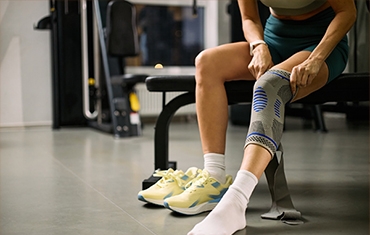
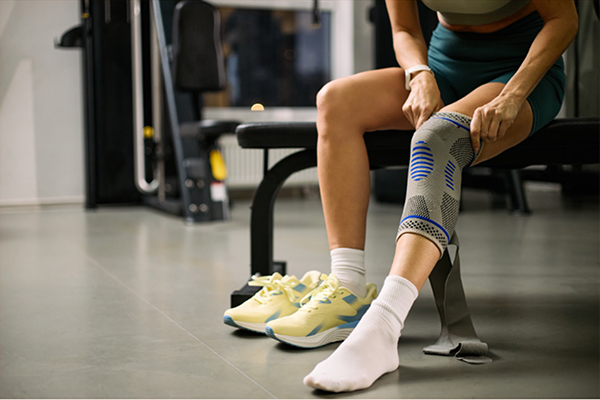
Recovery isn't just about resting—it's about creating the right environment for your body to heal.
One area generating significant interest in sports medicine is peptide therapy. Peptides are short chains of amino acids that act as signaling molecules within the body, influencing processes such as tissue repair, inflammation, collagen production, and cellular communication. Researchers are actively studying several peptides for their potential role in supporting recovery from musculoskeletal injuries.
Some peptides being investigated include BPC-157, TB-500 (thymosin beta-4 derivatives), and growth hormone secretagogues. Early laboratory and animal studies have suggested potential benefits in tendon healing, muscle recovery, ligament repair, and reducing inflammation. However, it's important to understand that much of the current evidence is still emerging, and robust human clinical trials remain limited for many of these compounds.
As sports medicine physicians, our goal is to combine innovation with evidence-based care. While peptides may eventually become an important part of regenerative medicine, they are not a substitute for proper diagnosis, rehabilitation, strength training, nutrition, sleep, or a personalized treatment plan.
When considering any regenerative therapy, ask these questions:
✔️ Is there high-quality evidence supporting its use?
✔️ What are the potential risks and benefits?
✔️ Is it legal and appropriate for competitive athletes?
✔️ Is it being prescribed and monitored by a qualified medical professional?
Healing is rarely the result of one intervention. The best outcomes typically come from a comprehensive approach that includes accurate diagnosis, progressive rehabilitation, optimizing biomechanics, nutrition, recovery strategies, and—when supported by evidence—advanced regenerative therapies.
The field of regenerative sports medicine is evolving rapidly. New research continues to improve our understanding of how biologics, orthobiologics, and peptide-based therapies may fit into injury management in the future. Until then, patient education and individualized care remain the foundation of successful treatment.
If you're dealing with a persistent tendon injury, muscle strain, ligament injury, or chronic pain that hasn't responded to traditional treatments, speak with a sports medicine physician about all available options. Together, you can determine which therapies are supported by the best available evidence and align with your specific goals.
The future of recovery is exciting—but the best medicine is always informed medicine.
FAQs
What is peptide therapy?
Peptides are short chains of amino acids that act as signaling molecules in the body and are being studied for their potential role in tissue repair, inflammation, collagen production, and recovery.
Can peptides help with sports injury recovery?
Researchers are studying peptides for their potential role in tendon healing, muscle recovery, ligament repair, and reducing inflammation. However, much of the current evidence is still emerging, and robust human clinical trials remain limited for many peptides.
What peptides are being studied for musculoskeletal injuries?
Some of the compounds being investigated include BPC-157, TB-500 (thymosin beta-4 derivatives), and growth hormone secretagogues.
Are peptides a replacement for physical therapy or rehabilitation?
No. Peptide therapies should not be viewed as a substitute for proper diagnosis, rehabilitation, strength training, nutrition, sleep, or an individualized treatment plan.
Are peptide therapies safe and appropriate for athletes?
Athletes should consider the potential risks and benefits of any regenerative therapy and whether it is legal and appropriate for competitive sports. Treatment should be prescribed and monitored by a qualified medical professional.
AUTHOR: Geoffrey Van Thiel, MD, MBA – Orthopedic Sports Medicine Surgeon
Geoffrey Van Thiel, MD, MBA is an orthopedic surgeon specializing in minimally invasive and arthroscopic surgery of the hip, knee, and shoulder. Widely recognized as a leader in orthopedic sports medicine, he has authored more than 100 peer-reviewed publications and delivered over 200 international presentations. His practice combines cutting-edge surgical innovation with compassionate, patient-centered care focused on restoring active lifestyles.
Credentials & Education
Dr. Van Thiel earned his medical degree from the University of California, Los Angeles (UCLA) School of Medicine and completed a Master of Business Administration at the UCLA School of Business. He completed his orthopedic surgery residency at Rush University Medical Center in Chicago, one of the nation’s top training programs. He remained at Rush to complete fellowship training in orthopedic sports medicine and hip arthroscopy and continues to serve on faculty, contributing to research and surgeon education.
Clinical Expertise
Dr. Van Thiel has collaborated with internationally recognized surgeons on advancements in hip arthroscopy, cartilage restoration, knee ligament reconstruction, and shoulder arthroscopy. He serves as a consultant for leading orthopedic device companies and frequently lectures and trains surgeons on innovative techniques. He is actively involved with the Multicenter Arthroscopic Study of the Hip (MASH), serves on editorial boards for major orthopedic journals, is a surgeon educator for AANA and AOSSM, and chairs the Outcomes Committee for OrthoForum.
Dr. Van Thiel believes that exceptional orthopedic care requires not only advanced technology and precision but also compassion and humility in every patient interaction.
Medical Disclaimer: This information is for educational purposes only and does not constitute medical advice. For diagnosis and treatment recommendations, please consult with Dr. Van Thiel or another qualified orthopedic specialist.
Content authored by Dr. Geoffrey Van Thiel and verified against official sources.


