
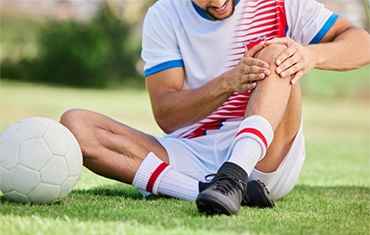
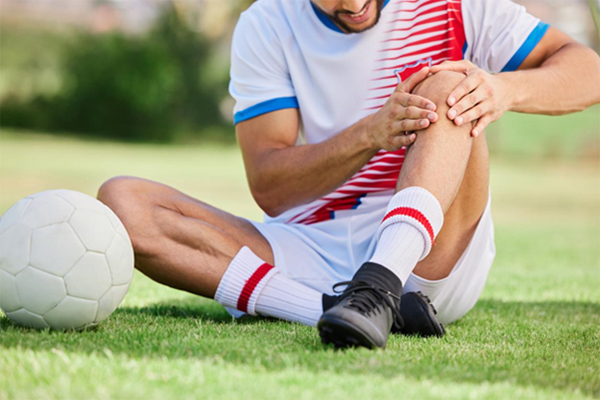
Athletes are used to pushing through discomfort, but when knee or shoulder pain begins interfering with performance, training, or daily movement, it raises an important question: Is surgery necessary? Not every injury requires an operation, yet waiting too long can sometimes worsen the damage. Here's a guide to help you determine the best course of action.
Understanding Common Knee and Shoulder Injuries in Athletes
Athletes frequently experience injuries involving the ligaments, tendons, and cartilage of the knee and shoulder. In the knee, conditions such as ACL tears, meniscus injuries, and cartilage damage are common in sports that involve cutting, pivoting, or sudden changes in direction.
In the shoulder, rotator cuff tears, labral injuries, and instability can occur from repetitive overhead movements, collisions, or falls. These injuries can cause pain, weakness, swelling, and reduced range of motion, making it difficult to perform at your best.
The severity of the injury, your activity level, and your long-term athletic goals all influence the best treatment approach.
When Non-Surgical Treatment May Be the Best Option
Surgery is not always the first line of treatment. Many athletes recover successfully with conservative options, especially when the injury is mild or caught early.
Non-surgical treatments may include:
- Targeted physical therapy
- Anti-inflammatory medications
- Activity modification
- Bracing or supportive taping
- Image-guided injections
These approaches aim to reduce inflammation, restore strength, and improve joint stability. In many cases, athletes can return to sport without surgery if the joint remains stable and functional.
Signs That Surgery May Be the Right Choice for Your Knee and Shoulder
While non-surgical care can be effective, certain injuries may require surgical intervention for a full recovery. Surgery is often recommended when:
- The joint is unstable or frequently “gives out”
- Pain persists despite conservative treatment
- There is a complete ligament or tendon tear
- Mechanical symptoms, such as catching or locking occur
- The injury prevents a safe return to sport
For competitive or highly active athletes, surgical repair may restore the structural stability needed to return to high-demand activities.
The Advantages of Minimally Invasive Arthroscopic Surgery
Modern orthopedic surgery has advanced significantly with minimally invasive arthroscopic techniques. Using small incisions and a specialized camera, surgeons can diagnose and repair injuries within the joint with greater precision.
Arthroscopic procedures for the knee and shoulder typically result in:
- Less damage to surrounding tissues
- Smaller incisions and minimal scarring
- Reduced post-operative pain
- Faster rehabilitation and recovery timelines
These benefits make arthroscopic surgery an appealing option for athletes who want to return to training and competition as safely and efficiently as possible.
Making the Right Decision for Your Athletic Future
Every athlete and every injury is unique. Choosing whether to proceed with surgery depends on factors such as the severity of the injury, your sport, your performance goals, and how your body responds to non-surgical treatments.
Working closely with an orthopedic surgeon who specializes in minimally invasive and arthroscopic procedures can help you weigh your options and create a personalized treatment plan designed to get you back to the activities you love.
Frequently Asked Questions
1. How do I know if my knee or shoulder injury requires surgery?
Surgery may be recommended if you have a complete ligament or tendon tear, joint instability, persistent pain despite treatment, or an injury that prevents you from safely returning to your sport.
2. Can athletes recover from knee or shoulder injuries without surgery?
Yes. Many athletes improve with non-surgical treatments such as physical therapy, rest, strengthening programs, bracing, and injections, especially if the injury is mild or caught early.
3. How long does it take to return to sports after arthroscopic surgery?
Recovery time depends on the injury and procedure. Some athletes return to activity within a few months, while more complex repairs, such as ACL reconstruction or rotator cuff repair, may require six months or longer.
4. What are the benefits of arthroscopic surgery for sports injuries?
Arthroscopic surgery uses small incisions and specialized instruments to repair damage within the joint. This minimally invasive approach often results in less pain, smaller scars, and a faster rehabilitation process.
5. Should I see an orthopedic surgeon immediately after a sports injury?
If your injury causes significant swelling, instability, limited movement, or pain that does not improve after a few days of rest, it is best to see an orthopedic specialist for a proper evaluation and treatment plan.
Reference Links:
- Rotator Cuff Tears: Surgical Treatment Options - OrthoInfo from the American Academy of Orthopaedic Surgeons
- ACL Injury - Mayo Clinic
AUTHOR: Geoffrey Van Thiel, MD, MBA – Orthopedic Sports Medicine Surgeon
Geoffrey Van Thiel, MD, MBA is an orthopedic surgeon specializing in minimally invasive and arthroscopic surgery of the hip, knee, and shoulder. Widely recognized as a leader in orthopedic sports medicine, he has authored more than 100 peer-reviewed publications and delivered over 200 international presentations. His practice combines cutting-edge surgical innovation with compassionate, patient-centered care focused on restoring active lifestyles.
Credentials & Education
Dr. Van Thiel earned his medical degree from the University of California, Los Angeles (UCLA) School of Medicine and completed a Master of Business Administration at the UCLA School of Business. He completed his orthopedic surgery residency at Rush University Medical Center in Chicago, one of the nation’s top training programs. He remained at Rush to complete fellowship training in orthopedic sports medicine and hip arthroscopy and continues to serve on faculty, contributing to research and surgeon education.
Clinical Expertise
Dr. Van Thiel has collaborated with internationally recognized surgeons on advancements in hip arthroscopy, cartilage restoration, knee ligament reconstruction, and shoulder arthroscopy. He serves as a consultant for leading orthopedic device companies and frequently lectures and trains surgeons on innovative techniques. He is actively involved with the Multicenter Arthroscopic Study of the Hip (MASH), serves on editorial boards for major orthopedic journals, is a surgeon educator for AANA and AOSSM, and chairs the Outcomes Committee for OrthoForum.
Dr. Van Thiel believes that exceptional orthopedic care requires not only advanced technology and precision but also compassion and humility in every patient interaction.
Medical Disclaimer: This information is for educational purposes only and does not constitute medical advice. For diagnosis and treatment recommendations, please consult with Dr. Van Thiel or another qualified orthopedic specialist.


