
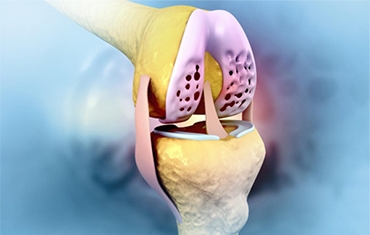
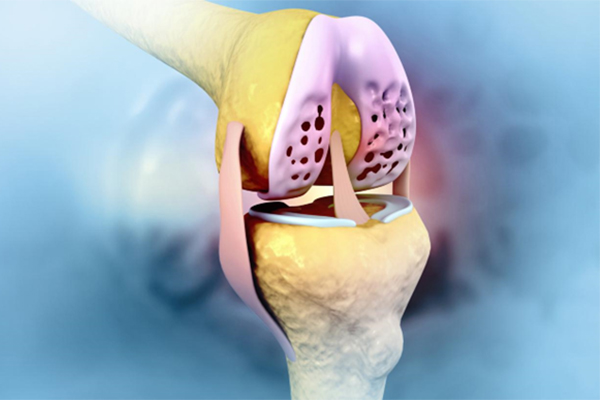
Chronic joint pain does not always mean joint replacement. Modern cartilage restoration procedures are helping active patients preserve their natural joints, address cartilage damage earlier, and return to the activities they enjoy. From microfracture to ACI and OATS, learn how modern joint preservation techniques may offer an alternative before arthritis progresses and help patients stay active longer with better mobility and function.
Why Cartilage Damage Is Different From Other Joint Injuries
Unlike bone fractures or soft tissue tears, cartilage injuries do not resolve on their own. The absence of blood vessels means the tissue receives limited nutrients and has virtually no self-repair mechanism. Left untreated, even a small area of cartilage loss can expand over time, leading to worsening pain, joint instability, and eventually the kind of bone-on-bone arthritis that makes daily movement difficult. Early intervention is often what separates a restorable joint from one that requires replacement.
Who Is a Candidate for Cartilage Restoration?
Cartilage restoration is best suited for patients with focal cartilage defects, meaning damage that is localized to a specific area rather than spread throughout the entire joint surface. Younger, active patients tend to see the strongest results, particularly those whose surrounding cartilage and joint alignment are still in good condition. Athletes and physically active adults who have sustained an injury are often ideal candidates. Patients with widespread, end-stage arthritis are generally better served by other surgical options, which is why an accurate diagnosis is the critical starting point.
The Main Cartilage Restoration Techniques Explained
Several procedures fall under the umbrella of cartilage restoration, and the right choice depends on the size and location of the defect, the patient's age, and their activity goals.
Microfracture is one of the oldest and most commonly performed techniques. Tiny perforations are made in the underlying bone to stimulate the body's natural healing response and encourage new tissue growth. It works well for smaller defects but has limitations in terms of the quality of tissue produced.
Osteochondral autograft transfer (OATS) involves moving a plug of healthy cartilage from a low-load area of the joint to the damaged site. It introduces true hyaline cartilage, the same tissue originally present, rather than the fibrocartilage produced by microfracture.
Autologous chondrocyte implantation (ACI) is a two-stage procedure where cartilage cells are harvested, grown in a lab, and then reimplanted into the defect. It is particularly effective for larger areas of damage and has a strong long-term track record in appropriately selected patients.
The Role of Arthroscopy in Cartilage Procedures
Most cartilage restoration procedures are performed arthroscopically or with minimally invasive techniques, meaning smaller incisions, less disruption to surrounding tissue, and faster recovery compared to open surgery. Arthroscopic expertise is central to achieving precise results, particularly in complex joints like the hip where visualization and access require significant technical skill.
Recovery and Return to Activity
Recovery from cartilage restoration varies by procedure but typically involves a period of protected weight bearing followed by structured rehabilitation. The goal throughout recovery is to protect the new tissue while gradually rebuilding strength and mobility. Most patients return to sport or high-level activity within six to eighteen months, depending on the complexity of the procedure and the joint involved.
Frequently Asked Questions
How do I know if I have cartilage damage in my knee, hip, or shoulder?
Common signs include persistent joint pain, swelling, catching or locking sensations, and reduced range of motion. An MRI is typically the most effective imaging tool for identifying cartilage defects, though a thorough physical examination is always the starting point for an accurate diagnosis.
Can cartilage grow back on its own without surgery?
Cartilage has extremely limited regenerative capacity because it lacks a blood supply. Minor surface irregularities may stabilize over time, but significant cartilage defects do not heal on their own and tend to worsen without treatment.
What is the difference between cartilage restoration and joint replacement?
Cartilage restoration aims to repair or regenerate damaged tissue while preserving the natural joint. Joint replacement removes the damaged joint surfaces entirely and replaces them with prosthetic components. Restoration is generally preferred for younger, active patients with localized damage, while replacement is more appropriate for widespread, end-stage arthritis.
How long does cartilage restoration surgery last?
Outcomes depend on the technique used, the size of the defect, and patient factors such as age and activity level. Studies on procedures like ACI show durable results at ten years and beyond in well-selected patients. Microfracture tends to show some decline in outcomes over time, particularly in larger defects.
Is cartilage restoration covered by insurance?
Coverage varies by procedure and insurance plan. Established techniques such as microfracture and OATS are more commonly covered, while newer biological approaches may require pre-authorization or face more scrutiny. Patients should verify their specific coverage before scheduling any procedure.
Cartilage restoration sits at an important crossroads in orthopedic care, offering a genuine alternative to replacement for the right patient at the right stage of joint damage. Understanding the options available and seeking evaluation from a surgeon with deep experience in joint preservation is the most important step toward making a decision that supports long-term function and an active life.
Reference Links:
AUTHOR: Geoffrey Van Thiel, MD, MBA – Orthopedic Sports Medicine Surgeon
Geoffrey Van Thiel, MD, MBA is an orthopedic surgeon specializing in minimally invasive and arthroscopic surgery of the hip, knee, and shoulder. Widely recognized as a leader in orthopedic sports medicine, he has authored more than 100 peer-reviewed publications and delivered over 200 international presentations. His practice combines cutting-edge surgical innovation with compassionate, patient-centered care focused on restoring active lifestyles.
Credentials & Education
Dr. Van Thiel earned his medical degree from the University of California, Los Angeles (UCLA) School of Medicine and completed a Master of Business Administration at the UCLA School of Business. He completed his orthopedic surgery residency at Rush University Medical Center in Chicago, one of the nation’s top training programs. He remained at Rush to complete fellowship training in orthopedic sports medicine and hip arthroscopy and continues to serve on faculty, contributing to research and surgeon education.
Clinical Expertise
Dr. Van Thiel has collaborated with internationally recognized surgeons on advancements in hip arthroscopy, cartilage restoration, knee ligament reconstruction, and shoulder arthroscopy. He serves as a consultant for leading orthopedic device companies and frequently lectures and trains surgeons on innovative techniques. He is actively involved with the Multicenter Arthroscopic Study of the Hip (MASH), serves on editorial boards for major orthopedic journals, is a surgeon educator for AANA and AOSSM, and chairs the Outcomes Committee for OrthoForum.
Dr. Van Thiel believes that exceptional orthopedic care requires not only advanced technology and precision but also compassion and humility in every patient interaction.
Medical Disclaimer: This information is for educational purposes only and does not constitute medical advice. For diagnosis and treatment recommendations, please consult with Dr. Van Thiel or another qualified orthopedic specialist.


